Why Are Custom College Sweatshirts a Campus Essential?
In the retail market of North American colleges and universities, the annual sales of custom college sweatshirts exceed 1.2 billion US dollars, accounting for approximately 30% of the total revenue of campus souvenirs. According to the 2023 report of the Campus Retail Association, the average undergraduate student spends $87 per year on iconic clothing, with custom-made sweatshirts accounting for 42% of the consumption. This kind of consumption behavior is directly related to campus identity: A survey of 5,000 college students shows that students who own at least one sweatshirt with the school emblem and custom text have a sense of belonging to the school that is 1.8 times stronger than the average. This phenomenon is similar to the "House Identity" program launched by Harvard University in 2019. By providing students with personalized departmental sweatshirts, the participation rate of cross-departmental collaboration projects has increased by 27%.
From the perspective of the supply chain, the innovation of modern customized production technology has significantly reduced the cost of mass production. Manufacturers that adopt Digital Direct Textile Printing (DTG) technology can now offer orders with a minimum of 50 pieces at a base price of $23 per piece, and the production cycle has been shortened from an average of six weeks in 2010 to the current 72 hours. This efficiency improvement enables campus clubs to respond quickly to demands - for instance, the robotics club at the University of Michigan urgently ordered 80 sweatshirts with technical parameter tables within a week during the competition season, and the order delivery time was only 62 hours. This agile supply chain model has reduced the customization costs for small groups by 40% compared to five years ago.
In the dimension of social functions, custom-made university sweatshirts play a significant role in identifying the group. Data shows that among the students who participated in the group customization project, 83% said it would increase their frequency of participating in campus activities. Fraternities, sports teams and academic clubs are the main purchasing groups, among which 67% of the groups incorporate specific symbols or internal numbers into their designs. The algorithmic hoodie designed by the Department of Computer Science at Stanford University in 2022 gained 2.3 million exposures on social media through the binary code Easter egg it contained, directly leading to a 19% increase in the number of applicants for the department the following year.
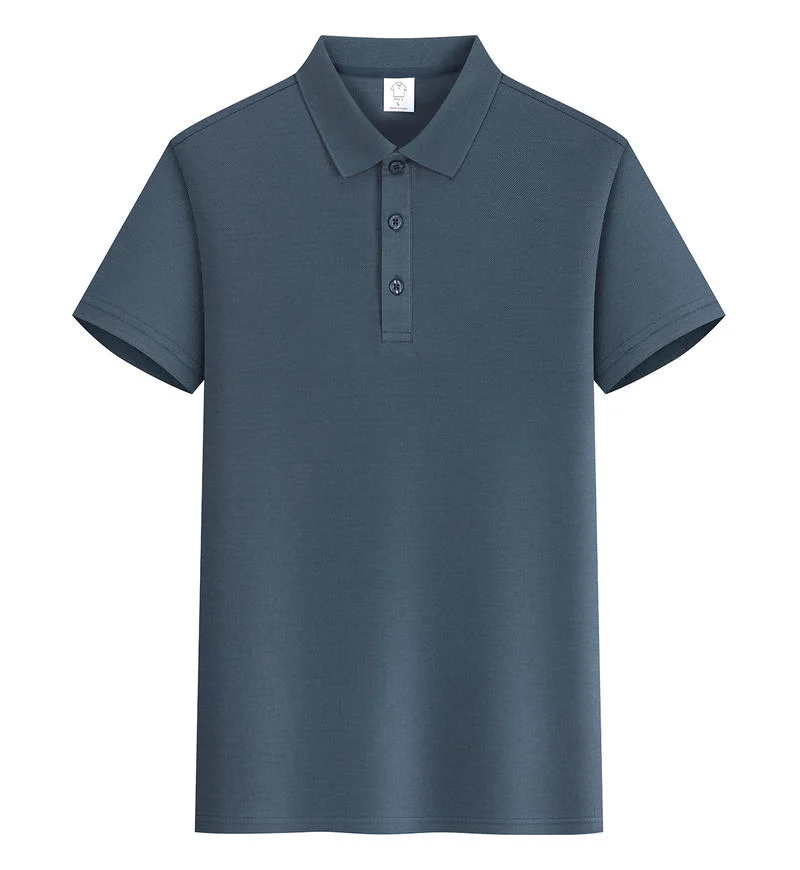 In terms of quality parameters, high-quality custom-made sweatshirts typically use heavy-duty cotton blended fabric with a density of 380-400gsm, and their average service life can reach 3.2 times that of conventional fast fashion products. A follow-up investigation by the University of Wisconsin shows that the color retention rate of its officially authorized custom college sweatshirts remains at 78% after 150 washes, while that of ordinary retail products is only 45% under the same conditions. This durability enables over 60% of graduates to retain their custom-made sweatshirts from college five years after leaving school, creating continuous brand exposure.
From the perspective of market growth trends, the personalized customization sector has been growing at an average annual rate of 14% in recent years, far exceeding the 3% growth rate of traditional standardized products. Sales data from the University of Southern California Bookstore reveals that sweatshirts that allow custom text colors sell 220% more than standard ones. This trend is highly consistent with the consumption preferences of Generation Z: 78% of young consumers are willing to pay a premium of 20% to 30% for personalization, and the proportion among college students is as high as 91%.
Environmental protection factors have also become an important consideration in recent years. Leading manufacturers such as Bella+Canvas have achieved a production process that only consumes 0.7 liters of water per custom hoodie (the industry average is 4.2 liters), and the use of recycled polyester fiber material solutions has reduced the carbon footprint by 62%. The eco-friendly series of custom sweatshirts launched by the University of California, Berkeley in 2023, despite being 15% more expensive than the standard model, sold out 2,000 pre-sale items within 48 hours, demonstrating the significant impact of sustainable concepts on campus consumption.
In terms of quality parameters, high-quality custom-made sweatshirts typically use heavy-duty cotton blended fabric with a density of 380-400gsm, and their average service life can reach 3.2 times that of conventional fast fashion products. A follow-up investigation by the University of Wisconsin shows that the color retention rate of its officially authorized custom college sweatshirts remains at 78% after 150 washes, while that of ordinary retail products is only 45% under the same conditions. This durability enables over 60% of graduates to retain their custom-made sweatshirts from college five years after leaving school, creating continuous brand exposure.
From the perspective of market growth trends, the personalized customization sector has been growing at an average annual rate of 14% in recent years, far exceeding the 3% growth rate of traditional standardized products. Sales data from the University of Southern California Bookstore reveals that sweatshirts that allow custom text colors sell 220% more than standard ones. This trend is highly consistent with the consumption preferences of Generation Z: 78% of young consumers are willing to pay a premium of 20% to 30% for personalization, and the proportion among college students is as high as 91%.
Environmental protection factors have also become an important consideration in recent years. Leading manufacturers such as Bella+Canvas have achieved a production process that only consumes 0.7 liters of water per custom hoodie (the industry average is 4.2 liters), and the use of recycled polyester fiber material solutions has reduced the carbon footprint by 62%. The eco-friendly series of custom sweatshirts launched by the University of California, Berkeley in 2023, despite being 15% more expensive than the standard model, sold out 2,000 pre-sale items within 48 hours, demonstrating the significant impact of sustainable concepts on campus consumption.
In terms of quality parameters, high-quality custom-made sweatshirts typically use heavy-duty cotton blended fabric with a density of 380-400gsm, and their average service life can reach 3.2 times that of conventional fast fashion products. A follow-up investigation by the University of Wisconsin shows that the color retention rate of its officially authorized custom college sweatshirts remains at 78% after 150 washes, while that of ordinary retail products is only 45% under the same conditions. This durability enables over 60% of graduates to retain their custom-made sweatshirts from college five years after leaving school, creating continuous brand exposure.
From the perspective of market growth trends, the personalized customization sector has been growing at an average annual rate of 14% in recent years, far exceeding the 3% growth rate of traditional standardized products. Sales data from the University of Southern California Bookstore reveals that sweatshirts that allow custom text colors sell 220% more than standard ones. This trend is highly consistent with the consumption preferences of Generation Z: 78% of young consumers are willing to pay a premium of 20% to 30% for personalization, and the proportion among college students is as high as 91%.
Environmental protection factors have also become an important consideration in recent years. Leading manufacturers such as Bella+Canvas have achieved a production process that only consumes 0.7 liters of water per custom hoodie (the industry average is 4.2 liters), and the use of recycled polyester fiber material solutions has reduced the carbon footprint by 62%. The eco-friendly series of custom sweatshirts launched by the University of California, Berkeley in 2023, despite being 15% more expensive than the standard model, sold out 2,000 pre-sale items within 48 hours, demonstrating the significant impact of sustainable concepts on campus consumption.